
Commercial Kitchen Equipment Buying Guide for Australian Businesses

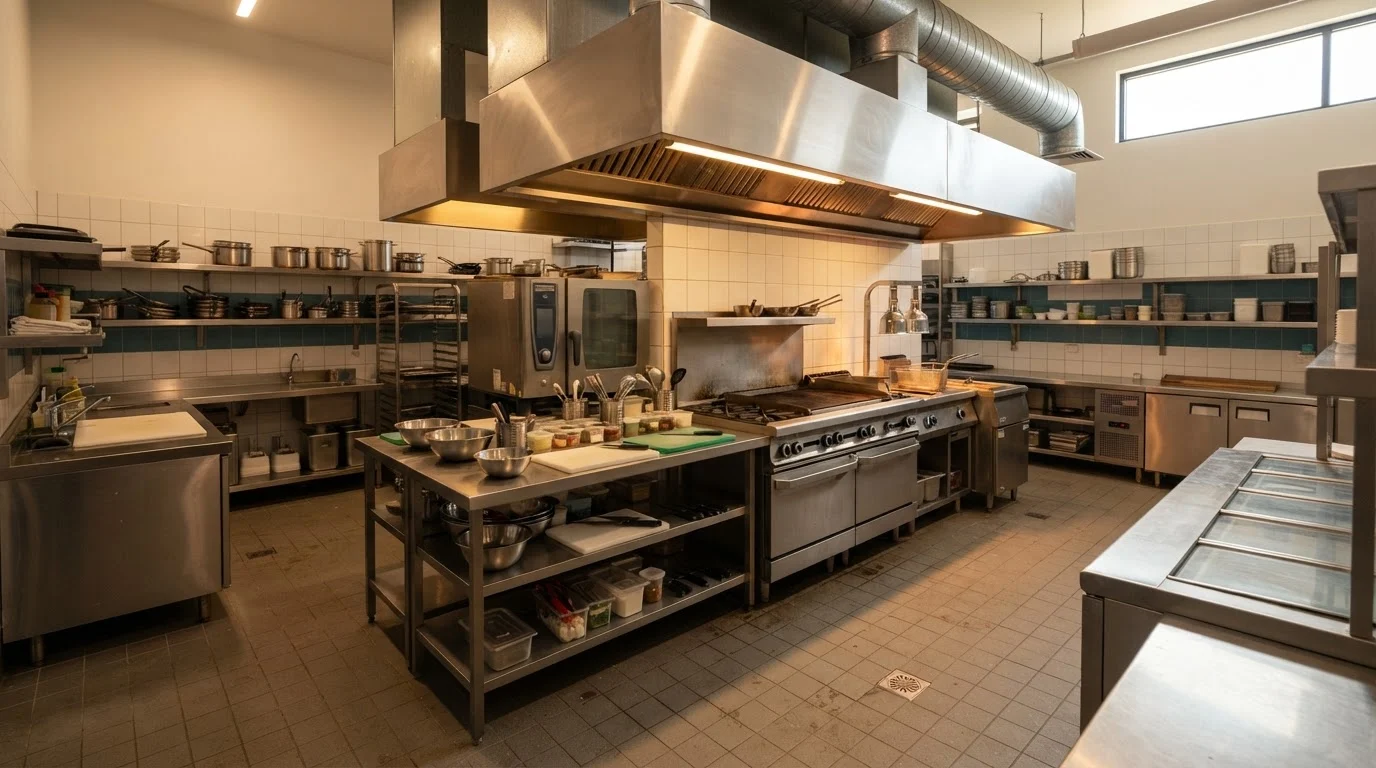
Selecting commercial kitchen equipment is easier when the menu, service volume and kitchen workflow are understood first. Whether you are fitting out a café, restaurant, takeaway venue or catering operation, the equipment needs to suit the tasks being performed, the available space and the services at the premises.
This guide covers the main commercial kitchen equipment groups and the questions worth resolving before comparing products. You can also explore the AROVANTIS commercial kitchen equipment range.
Planning commercial kitchen equipment starts with understanding the menu, service style and workflow of the business. A café, restaurant, takeaway venue, catering operation and institutional kitchen can have very different equipment needs, even when they prepare some of the same foods.
Map the kitchen workflow first
Consider the journey from receiving and storing ingredients through preparation, cooking, holding, service and cleaning. Equipment should support that workflow and fit the available space without creating unnecessary movement or congestion.
List the tasks performed at each stage, the expected volume of work and the busiest service periods. This provides a more useful starting point than choosing equipment based on appearance or headline capacity alone.
Identify the equipment groups you need
Cooking equipment: Commercial ovens, combi ovens, pizza ovens, fryers, steamers and other cooking appliances should be assessed against the menu, cooking methods, batch sizes and expected service volume. Check the exact functions and operating requirements of each model.
Food preparation equipment: Mixers, food processors, slicers and other preparation equipment can help support repeatable kitchen processes. Consider the ingredients handled, batch sizes, available attachments, cleaning requirements and operator training.
Refrigeration: Fridges, freezers, prep refrigeration and display cabinets serve different purposes. Plan storage around the types and quantities of ingredients, access frequency and the separation required by your food-handling procedures.
Washing equipment: Commercial dishwashers and glasswashers should be assessed against the volume and type of items washed, available services, cycle requirements and the space available for loading and unloading.
Food holding and service: Food warmers and holding equipment may be relevant where food is prepared ahead of service. Confirm the intended application, capacity and operating specifications for the particular product.
Match capacity to real demand
Think about normal service as well as peak periods. Undersized equipment can create bottlenecks, while equipment substantially larger than required may take up valuable space and consume resources unnecessarily.
When comparing capacity, check how the manufacturer defines it and whether the stated figure reflects the way your business will use the equipment. For appliances with multiple functions or accessories, confirm what is included in the quoted configuration.
Check dimensions, access and services
Measure the installation area and the route into the premises. Include doorways, corridors, lifts, turns and any restrictions on delivery access. Allow for the operating and maintenance clearances specified by the manufacturer.
Check the required electrical supply and, where relevant, water, drainage, ventilation, gas and extraction arrangements. Do not assume that appliances with similar names or capacities share the same service requirements. Have the relevant site services and installation requirements confirmed before ordering.
Consider cleaning, maintenance and staff use
Daily cleaning and routine maintenance are important parts of equipment selection. Look at access to removable components, the materials and surfaces used, cleaning instructions and the availability of product documentation.
Also consider who will operate the equipment and whether the controls, loading arrangements and workflow are suitable for the team. Staff familiarity and training can be important when introducing unfamiliar equipment.
Compare the full purchase requirements
Compare more than the initial purchase price. Review the included accessories, product specifications, warranty conditions, delivery arrangements, site requirements and any separately quoted services. Make sure quotations describe the same configuration before comparing them.
Commercial kitchen planning checklist
- Menu, food types and preparation methods
- Expected daily volume and peak service demand
- Equipment required at each workflow stage
- Available floor space and measured access route
- Electrical, water, drainage, ventilation and extraction requirements
- Cleaning, maintenance and staff operating needs
- Accessories, warranty terms and delivery arrangements
Discuss your equipment requirements
A clear equipment schedule and a few site details can make the quotation process more efficient. Where a particular function, dimension or service requirement is essential, confirm it against the exact model documentation before making a decision.
Equipment specifications, included accessories, configurations, availability and warranty conditions vary by product and should be confirmed for the model being considered. Installation and site-service requirements should be checked with the relevant qualified parties.
Frequently asked questions about commercial kitchen equipment
What equipment is needed in a commercial kitchen?
Requirements vary with the menu and service model. Common equipment groups include commercial ovens, fryers, mixers, food preparation equipment, refrigeration, dishwashers and food holding equipment. Prepare a task-based equipment list before selecting individual products.
How do I choose a commercial oven?
Consider the cooking methods, menu, batch sizes, expected service demand, available space and required services. Compare the functions and documented capacity of the exact models rather than relying on the product category name alone.
What should I consider when buying commercial kitchen equipment?
Review the intended application, capacity, dimensions, electrical and other service requirements, cleaning access, included accessories, warranty terms and delivery constraints. Confirm installation requirements with the appropriate qualified parties.
How do I plan a commercial kitchen equipment layout?
Map the workflow from receiving and storage through preparation, cooking, holding, service and cleaning. Measure the space, allow for equipment operation and maintenance clearances, and check that staff can move safely and efficiently between work areas.